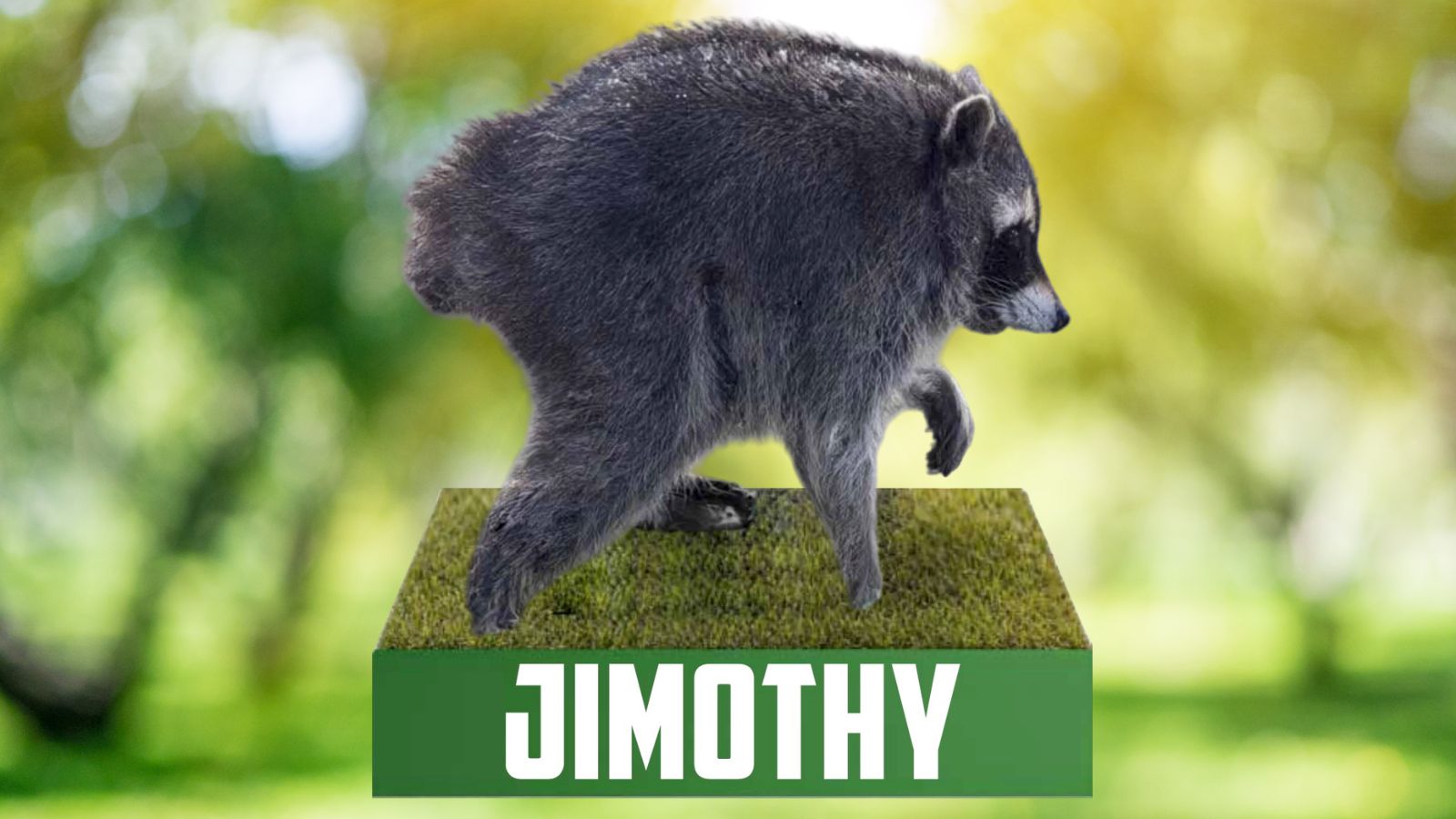
Jimothy, the raccoon who somehow became one of Seattle's most recognizable residents without ever holding a press conference, has died.
For years he showed up in phone videos, local lore, and the kind of sidewalk stories people tell strangers. Then came the bobbleheads. Then the glass figurines. Then the quiet realization that a wild raccoon had become part of how this city talks about itself.
A Seattle character, not a mascot
Jimothy was never a zoo attraction or a trained ambassador. He was a neighborhood raccoon with unusually good timing — turning up where cameras already were, looking straight into the lens like he'd practiced.
That mix of chaos and calm is what stuck. In a city full of startups and rain, Jimothy felt like proof that Seattle still had room for a little unscripted wildlife fame.
From viral clips to city keepsakes
As his following grew, so did the tributes. An official bobblehead made the rounds. A Seattle glassblowing studio started selling Jimothy figurines and ornaments. Fans traded photos the way other towns trade sports cards.
None of it made him less of a raccoon. That was the point. The memorabilia was funny because the animal was real — dumpster-adjacent, alley-smart, and somehow still beloved.
How Seattle is saying goodbye
Word of Jimothy's death spread the same way his fame did: through local posts, shared photos, and people who swear they once locked eyes with him behind a dumpster near Pike Place.
There will be no state funeral. There will be plenty of comments. Expect old clips to resurface, figurines to sell out again, and at least one neighbor to leave a tiny bouquet where he used to cross the street.
What he leaves behind
Jimothy didn't fix traffic, the housing market, or the weather. He just made a lot of people smile at the same ridiculous thing at the same time — which, in Seattle, counts for something.
Rest easy, Jimothy. The alleys feel a little quieter without you.
©2026 Cox Media Group